The U.S. Supreme Court issued an emergency order Thursday, Oct. 22, allowing New Hampshire to enforce its restrictions on student identification in the November election while a legal challenge continues.
The unsigned order in Scanlan v. Coalition for Open Democracy temporarily blocked a federal judge's October injunction concerning guidance issued by New Hampshire Secretary of State David Scanlan.
The dispute centers on House Bill 323, which Gov. Kelly Ayotte signed in April 2026.
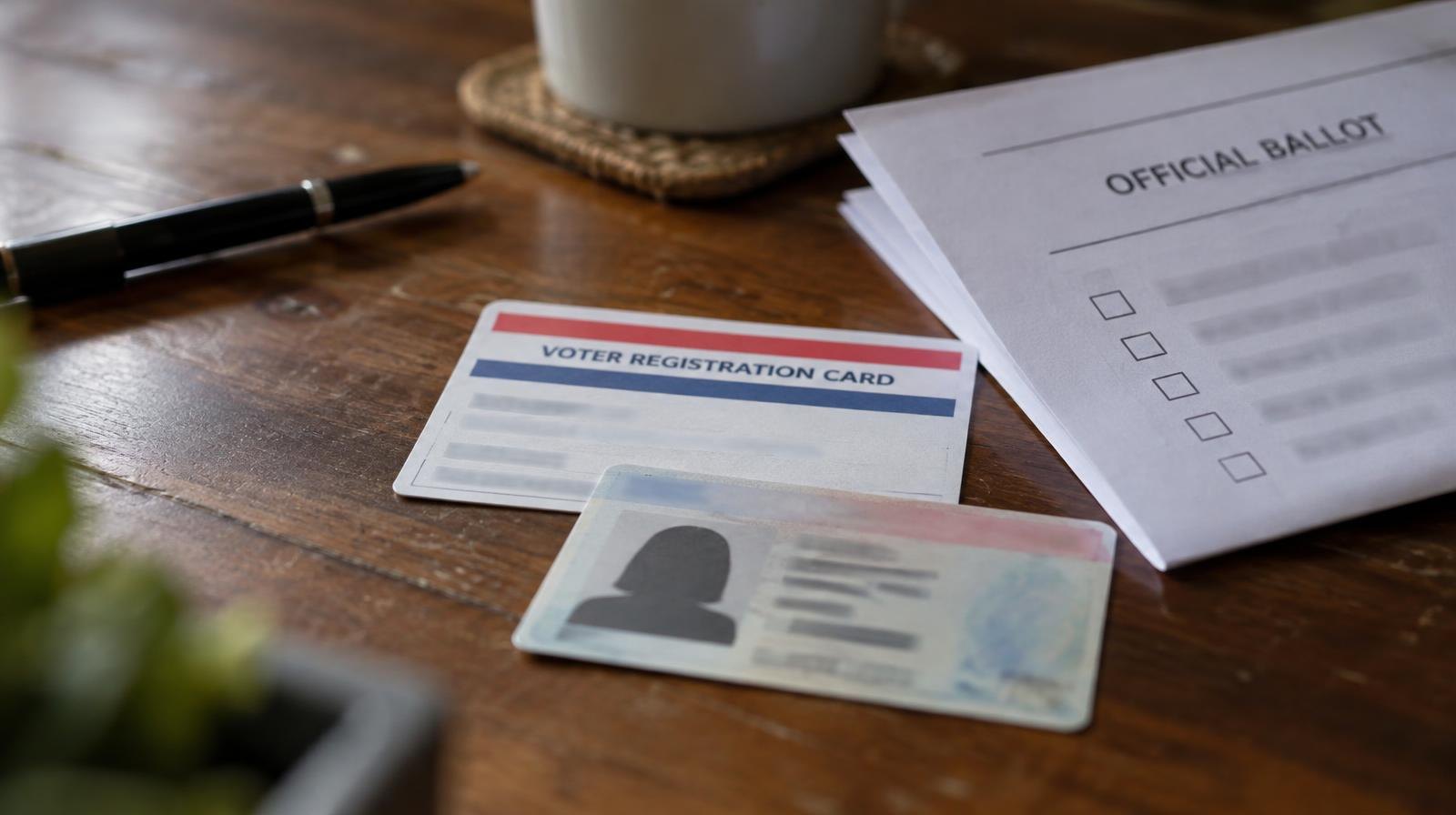
The law removed student identification cards from an expressly accepted category of identification documents. Scanlan's office subsequently issued broader guidance concerning how election officials should treat student IDs in other circumstances.
How the case reached the Supreme Court
The Coalition for Open Democracy challenged both the law and the secretary of state's guidance.
In an Oct. 2 ruling, U.S. District Judge Joseph Laplante declined to block HB 323 itself.
However, he temporarily restricted enforcement of the secretary of state's guidance, finding that the challengers were likely to succeed in arguing that it went beyond the statute.
New Hampshire appealed, and the First Circuit declined to suspend Laplante's injunction. The state then sought emergency intervention from the Supreme Court.
On Oct. 22, the Supreme Court granted the state's request.
The justices cited the longstanding judicial principle cautioning federal courts against changing election rules immediately before an election.
Justice Ketanji Brown Jackson dissented. She argued that the district court's limited order addressed guidance that the judge found misleading rather than rewriting the state's underlying statute.
Constitutional dispute remains unresolved
The Supreme Court's order does not resolve the constitutional challenge to HB 323.
Instead, it temporarily suspends the district court's preliminary injunction while the appeal proceeds.
Supporters of the restrictions argue that uniform identification standards protect the integrity of election administration.
The challengers contend that the law and associated guidance unfairly burden younger voters and that the state interpreted the statute too broadly.
The case remains significant for New Hampshire communities with high school and college students, including Claremont, Newport and Sunapee.
The Supreme Court's docket provides the order and case filings. The litigation will continue separately from the emergency ruling.