New Hampshire's infrastructure scored a C on the 2026 Report Card released by the New Hampshire section of the American Society of Civil Engineers (ASCE). The grade means the state's systems are in mediocre condition and generally meeting current needs but require attention, according to the report.
The C is a one-step improvement over the C- the state received in 2017. But engineers who evaluated the systems said New Hampshire has some of the oldest infrastructure in the country, with structures at or past their intended design lives.
That hits home in Claremont.
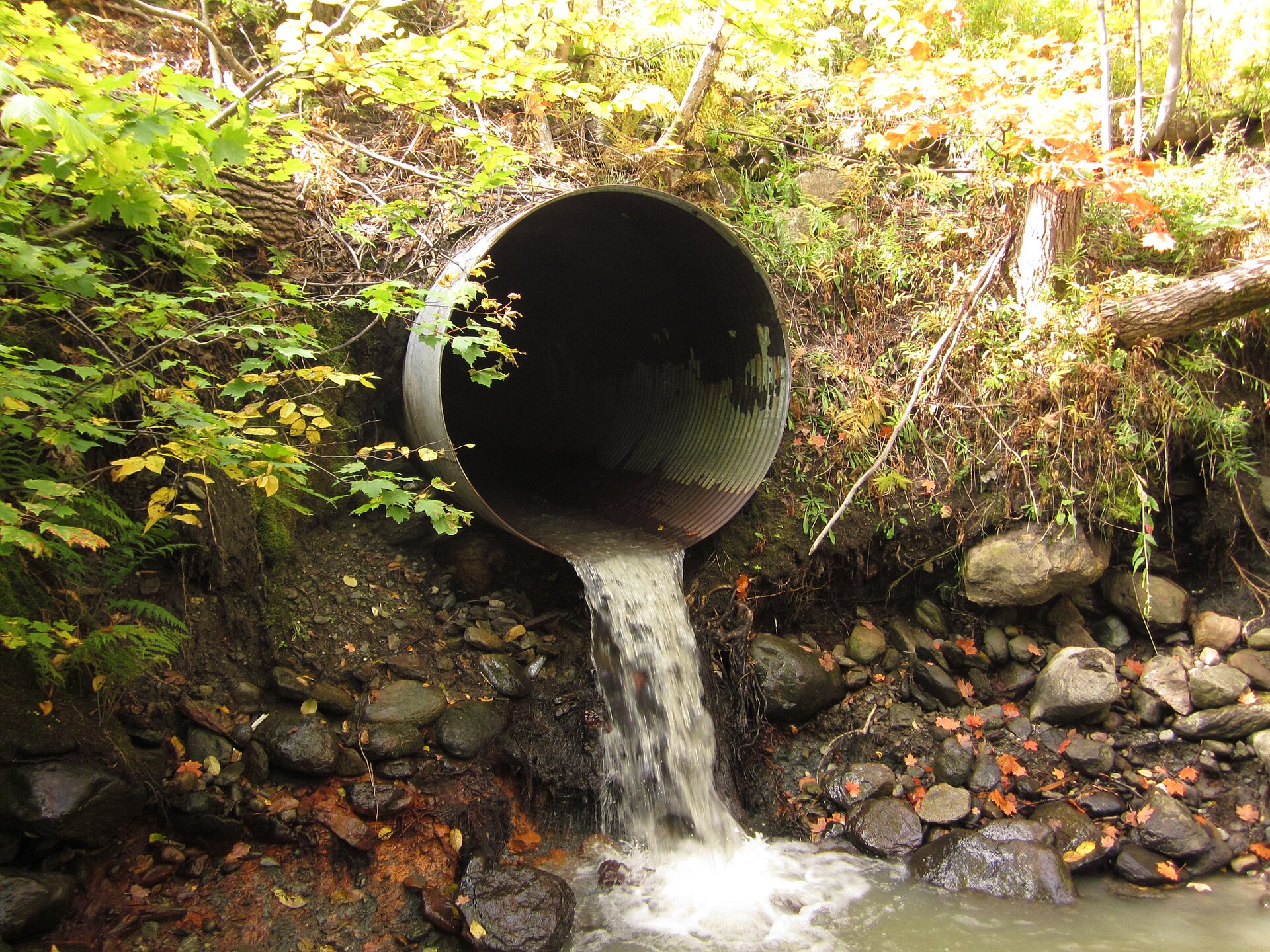
The city has multiple infrastructure projects underway or recently completed. Water, sewer and drainage upgrades on Belding Street and Freedom Street were scheduled to begin Sept. 8, according to the city. The federally funded Route 12 and North Street improvements project includes a new water line, drainage improvements, replacement of the Stevens Brook culvert under Route 12 and stormwater management work. The city's June construction update described final paving and striping activities.
What the grades show
The report evaluated 12 categories. Aviation earned the highest mark at B-. Roads received a C+, with 86% of the state highway system in good or fair condition. That represents an 18% improvement over the past decade.
Bridges scored a C-. As of December 2024, 324 of the state's 3,860 public bridges were in poor condition and on the state's "Red List," according to ASCE. That represents 8.4% of the inventory.
The average age of state non-Turnpike bridges is 65 years, and municipal bridges average 56 years. Both exceed the common intended design life of 50 years, Construction Equipment Guide reported.
Drinking water and dams each received a C-. The state's roughly 2,500 public water systems face aging infrastructure and contaminants such as PFAS, according to ASCE.
Stormwater and wastewater tied for the lowest grades at D+. The report estimated nearly $1.3 billion in stormwater infrastructure needs. Wastewater needs were estimated at $2.2 billion through 2042. New Hampshire is one of only six states without a municipal stormwater utility.
Funding uncertainty
Much of the state's recent infrastructure progress relied on one-time federal money, according to ASCE. The Infrastructure Investment and Jobs Act and the American Rescue Plan Act helped fund improvements, but the report warned that dedicated long-term funding remains uncertain.
The state gas tax is not indexed to inflation, and about $23 million per year that once supported roads and bridges now repays a federal loan, ASCE reported.
The New Hampshire Department of Transportation has reported a vacancy rate of 20% to 25% for several years, according to the report. The water sector estimates it needs 40 to 50 new certified drinking water operators each year through 2030.
Local spending pressures
Claremont's infrastructure projects illustrate the type of work municipalities must manage as aging water and drainage systems require upgrades.
The city's Belding Street and Freedom Street project includes water, sewer and drainage improvements, new pavement and sidewalks. Claremont's September announcement said the work was expected to be completed before winter, weather permitting.
The Route 12 and North Street project includes roadway reconstruction and changes to the intersection, along with utility and drainage work. The city's latest posted construction update described remaining paving and striping work during June.
The ASCE report called for stable, long-term funding to replace reliance on one-time federal money. It also recommended stronger asset management and staffing, particularly for municipalities and small systems.